
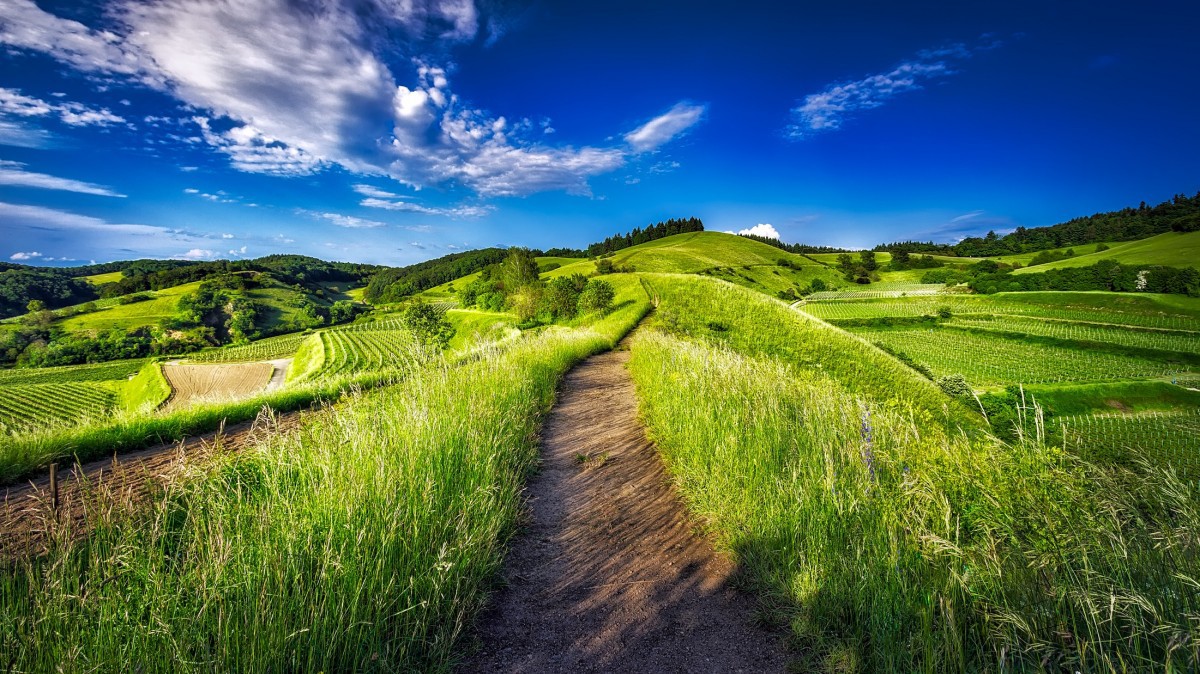
- Picturesque journeys from Seoul to kangwon land reveal Koreas hidden beauty
- The Allure of Sokcho and the Eastern Coast
- Exploring Abai Village and Local Culture
- The Serene Beauty of Lake Taebaek
- Taebaek Mountain and Healing Forests
- The Historical Charm of Hwaeonjeon
- Beyond the Tourist Trail: Discovering Hidden Gems
- The Future of Sustainable Tourism in the Region
Picturesque journeys from Seoul to kangwon land reveal Koreas hidden beauty
South Korea boasts a diverse landscape, transitioning from bustling urban centers to serene natural beauty within relatively short distances. Among the most captivating of these natural havens is kangwon land, a region renowned for its stunning mountains, lush forests, and picturesque coastlines. This area, easily accessible from Seoul, offers a refreshing escape for both domestic and international travelers seeking tranquility and adventure. The journey itself is a visual treat, unfolding as the cityscape gives way to rolling hills and verdant valleys.
Exploring this region isn't simply about the destination; it's about the experience of the transition – the gradual shedding of urban stress as you immerse yourself in the natural world. The appeal lies in its accessibility, meaning even a short trip can provide a significant restorative effect. Many visitors choose to take day trips, while others opt for longer stays to fully appreciate the hiking trails, cultural sites, and culinary delights that kangwon land has to offer. The region caters to a wide range of preferences, from those seeking adrenaline-pumping activities to those desiring peaceful contemplation.
The Allure of Sokcho and the Eastern Coast
Sokcho, a vibrant coastal city, serves as a primary gateway to Seoraksan National Park, one of Korea’s most celebrated natural areas. It's a city that beautifully blends urban convenience with proximity to wilderness, offering a bustling fish market alongside access to challenging hiking trails. Visitors can spend a morning sampling fresh seafood and an afternoon scaling granite peaks. The atmosphere is energetic, yet relaxed, embodying the spirit of the region. Accommodation options are plentiful, ranging from budget-friendly guesthouses to luxurious hotels, catering to all types of travelers. The city’s strategic location also makes it a popular base for exploring the surrounding areas, including the pristine beaches and charming villages along the eastern coastline.
Seoraksan National Park itself is a jewel of biodiversity, home to a remarkable array of flora and fauna. Hiking trails vary in difficulty, ensuring there’s something suitable for every fitness level. From gentle valley walks to demanding ascents, the park provides an immersive experience in the Korean wilderness. During the autumn months, the park transforms into a breathtaking spectacle of color, with vibrant red and gold foliage painting the mountainsides. It’s a photographer’s paradise and a truly unforgettable experience. Beyond hiking, the park also offers opportunities for rock climbing, camping, and wildlife observation.
Exploring Abai Village and Local Culture
A short distance from Sokcho lies Abai Village, a historically significant area that once served as a refuge for North Korean refugees during the Korean War. This unique village retains a distinct cultural identity, with traditional Korean architecture and a strong sense of community. Visitors can wander through the narrow streets, admire the traditional houses, and sample local delicacies. The atmosphere is steeped in history and offers a poignant reminder of the country’s past. It’s a place where time seems to slow down, allowing visitors to connect with a different side of Korean culture. The local residents are warm and welcoming, eager to share their stories and traditions.
The village is particularly known for its sundae (blood sausage), a local specialty that reflects the culinary heritage of the region. The sundae here is prepared using traditional methods, resulting in a unique and flavorful dish. Visitors can also find a variety of other local dishes, such as kimchi and jeon (pancakes), showcasing the rich culinary traditions of kangwon land. The combination of historical significance, cultural charm, and delicious food makes Abai Village a must-visit destination for anyone traveling to the area.
| Attraction | Description |
|---|---|
| Seoraksan National Park | A stunning national park offering hiking trails, wildlife observation, and breathtaking autumn foliage. |
| Abai Village | A historically significant village with traditional Korean architecture and a strong cultural identity. |
| Sokcho Fish Market | A bustling market offering fresh seafood and a vibrant atmosphere. |
| Cheongcho Lake | A picturesque lake known for its serene beauty and surrounding hiking trails. |
Beyond the well-known attractions, Cheongcho Lake provides a tranquil setting for a leisurely stroll or a peaceful picnic. The surrounding hills offer gentle hiking trails, providing stunning views of the lake and the surrounding landscape. This area is particularly popular with local artists and photographers who come to capture the beauty of the natural surroundings.
The Serene Beauty of Lake Taebaek
Moving inland, Lake Taebaek offers a different kind of scenic beauty. This artificial lake, nestled amidst the mountains, is a popular destination for relaxation and recreation. The clear waters and surrounding forests create a peaceful atmosphere, perfect for escaping the hustle and bustle of city life. Visitors can enjoy a variety of activities, including cycling, boating, and fishing. The lake is also surrounded by several hiking trails, offering stunning views of the surrounding mountains and valleys. The area is known for its clean air and pristine environment, making it a haven for nature lovers.
The lake’s waters reflect the changing seasons, creating a dynamic and captivating landscape. In the spring, the surrounding hillsides come alive with wildflowers, while in the autumn, the forests burst into vibrant hues of red and gold. During the winter, the lake is often covered in a blanket of snow, creating a magical winter wonderland. The area around Lake Taebaek also boasts several traditional Korean villages, offering visitors a glimpse into the region’s cultural heritage.
Taebaek Mountain and Healing Forests
Adjacent to Lake Taebaek is Taebaek Mountain, another significant peak in the region. This mountain offers more challenging hiking trails and breathtaking panoramic views. The mountain is also home to several healing forests, which are designed to promote well-being through the therapeutic benefits of nature. These forests are carefully managed to create a peaceful and restorative environment, encouraging visitors to reconnect with nature and de-stress. The concept of forest bathing, or shinrin-yoku, is deeply rooted in Korean culture and is gaining popularity worldwide.
These forests offer a unique experience, combining physical activity with mental relaxation. The air is infused with phytoncides, natural compounds released by trees, which have been shown to boost the immune system and reduce stress. Spending time in these forests can be a powerful way to improve both physical and mental health. The combination of challenging hikes and restorative forest bathing makes Taebaek Mountain a truly unique destination.
- Visit the Taebaek Mushroom Festival (seasonal) to sample local delicacies.
- Explore the Danggol Pebble Beach, known for its unique geological formations.
- Take a cable car ride up Hwangbyeongsan Mountain for panoramic views.
- Enjoy a relaxing spa treatment at one of the local hot springs resorts.
The area surrounding Lake Taebaek and Taebaek Mountain is also known for its agricultural products, including potatoes and ginseng. Visitors can sample these local delicacies at the numerous restaurants and markets in the area. The region’s fertile soil and favorable climate contribute to the production of high-quality agricultural products.
The Historical Charm of Hwaeonjeon
Hwaeonjeon, a traditional Korean garden, offers a tranquil escape and a glimpse into the country's rich cultural history. Established during the Joseon Dynasty, this garden was once a private retreat for royalty and scholars. Today, it’s open to the public, allowing visitors to wander through its meticulously landscaped grounds and admire its elegant pavilions and ponds. The garden is designed to harmonize with the surrounding natural landscape, creating a sense of peace and serenity. It’s a place where visitors can slow down, reflect, and appreciate the beauty of nature.
The garden’s design reflects the principles of Korean garden architecture, emphasizing natural beauty and harmony. The layout is carefully planned to create a sense of depth and perspective, with winding paths and strategically placed trees and rocks. The garden is particularly stunning during the autumn months, when the foliage turns vibrant shades of red and gold. It offers a peaceful sanctuary from the modern world, inviting contemplation and appreciation for the enduring legacy of Korean culture. The garden has been meticulously preserved over the centuries, ensuring that future generations can enjoy its beauty.
- Begin your exploration at the main pavilion, offering views of the entire garden.
- Wander through the bamboo forest, experiencing a sense of tranquility and seclusion.
- Admire the intricate stonework and landscaping details throughout the garden.
- Take time to sit by the pond and observe the surrounding wildlife.
Nearby, you can find local tea houses offering traditional Korean teas and snacks. These tea houses provide a cozy and authentic experience, allowing visitors to immerse themselves in the local culture. The combination of historical significance, natural beauty, and cultural immersion makes Hwaeonjeon a truly special destination within kangwon land.
Beyond the Tourist Trail: Discovering Hidden Gems
While popular destinations like Seoraksan and Lake Taebaek draw significant crowds, kangwon land also offers a wealth of hidden gems for those willing to venture off the beaten path. Smaller villages and remote valleys offer a more authentic experience, away from the hustle and bustle of tourism. These areas often boast stunning scenery, traditional Korean architecture, and warm hospitality. Exploring these hidden gems requires a bit more planning and effort, but the rewards are well worth it. The sense of discovery and the opportunity to connect with local communities are truly unique.
Many of these lesser-known areas are best explored by car or local bus, allowing you to navigate the winding mountain roads and discover hidden waterfalls, secluded temples, and picturesque valleys. Don't be afraid to strike up conversations with locals, who are often eager to share their knowledge and recommendations. This region of South Korea rewards those who embrace spontaneity and are open to new experiences. Remember to respect the local customs and traditions, and to tread lightly on the land. This area is a testament to the enduring beauty and cultural richness of Korea.
The Future of Sustainable Tourism in the Region
As tourism to kangwon land continues to grow, there is an increasing emphasis on sustainable practices to protect the region’s natural beauty and cultural heritage. Local authorities and tourism operators are working together to promote responsible travel, minimize environmental impact, and support local communities. This includes initiatives such as promoting eco-friendly accommodations, encouraging the use of public transportation, and educating visitors about responsible tourism practices. The goal is to ensure that the region remains a vibrant and sustainable destination for generations to come. Investing in local infrastructure and supporting local businesses are also key components of this strategy.
One emerging trend is the development of “slow tourism” experiences, which encourage visitors to spend more time in a single location and to immerse themselves in the local culture. This contrasts with the traditional “fast-paced” tourism model, which often prioritizes ticking off a list of attractions. The focus on slow tourism is intended to create more meaningful and enriching travel experiences, while also minimizing environmental impact. This involves promoting local festivals, culinary experiences, and opportunities for cultural exchange. The success of sustainable tourism hinges on the active participation of both visitors and local communities.